

Eco Solution Spotlight: Solar-Lit Fishing Nets That Can Actually Save Sea Turtles
min read
By: Valeria Olvera, Content Producer Intern, University of Texas at Arlington
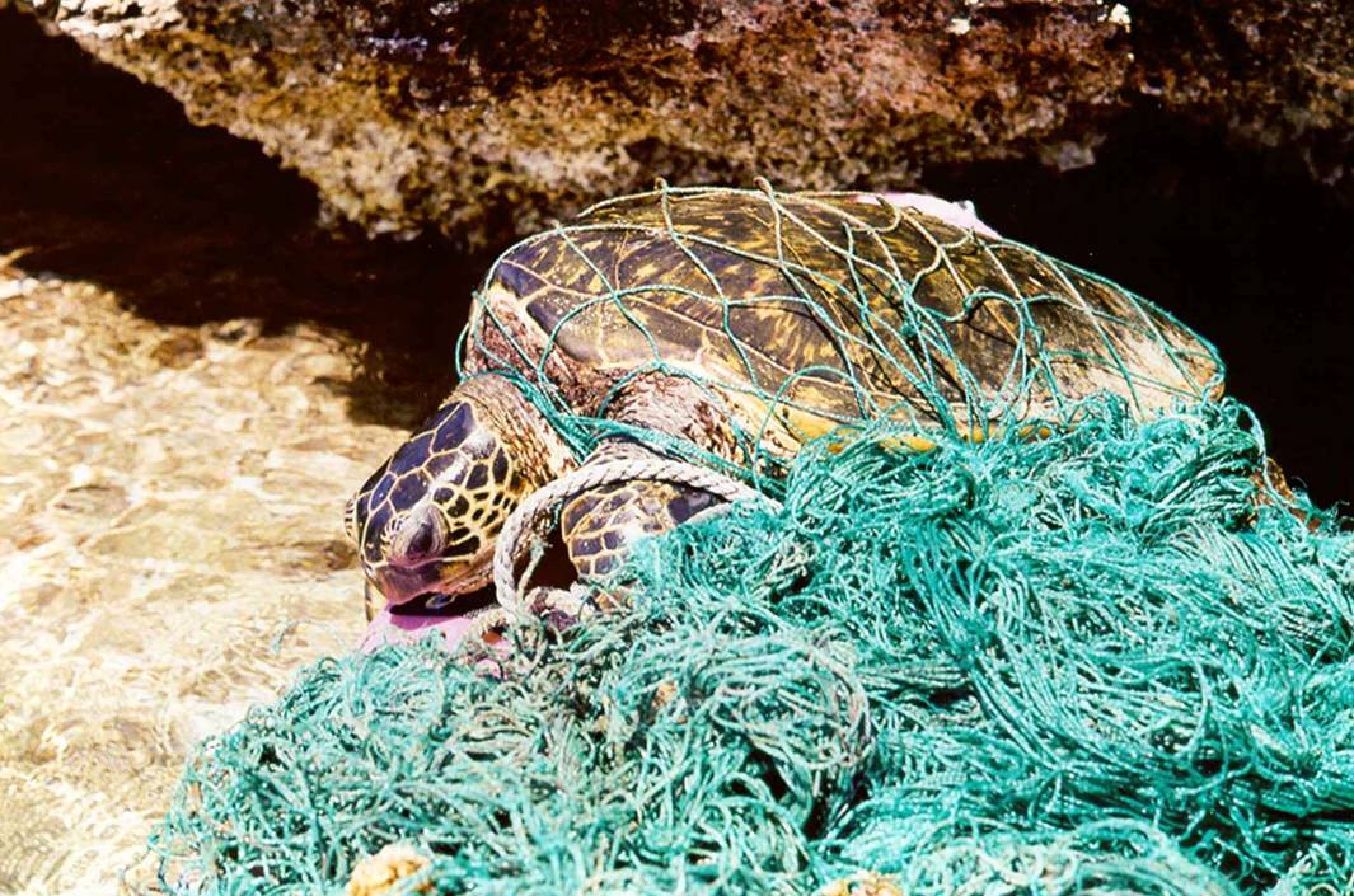
In coastal waters off Mexico’s Gulf of California, a simple but powerful innovation is helping protect some of the ocean’s most vulnerable animals. By attaching solar-powered lights to gillnets, researchers and fishers have cut sea turtle entanglement by about 63%, according to a study published in Conservation Letters.
Gillnets are a common fishing tool, but their nearly invisible walls also trap endangered sea turtles and other wildlife, leading to injury and death. To address this, scientists from Arizona State University worked with local fishers to develop self-charging LED buoys that thread onto nets and flash on solar energy. In controlled trials, nets with these lights entangle far fewer sea turtles while still catching target fish.
The results are promising not just for turtles, but for coastal ecosystems and communities that depend on them. Reducing accidental captures helps protect species that play essential roles in ocean health, from maintaining healthy seagrass beds to keeping food webs intact, while preserving fishers’ livelihoods.
This innovation shows that sometimes the best conservation solutions are ones that work with nature and local knowledge, not against it. As trials expand and technology improves, solar-lit nets could become a new tool in oceans around the world.
Source Mongabay: Mongabay is an independent media organization reporting on Nature and planetary challenges with a global network of local journalists.